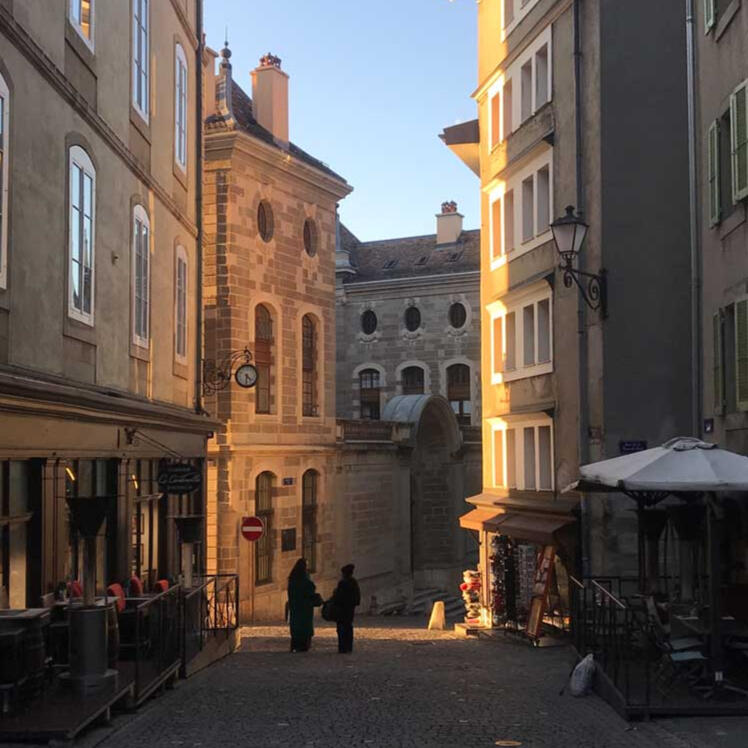
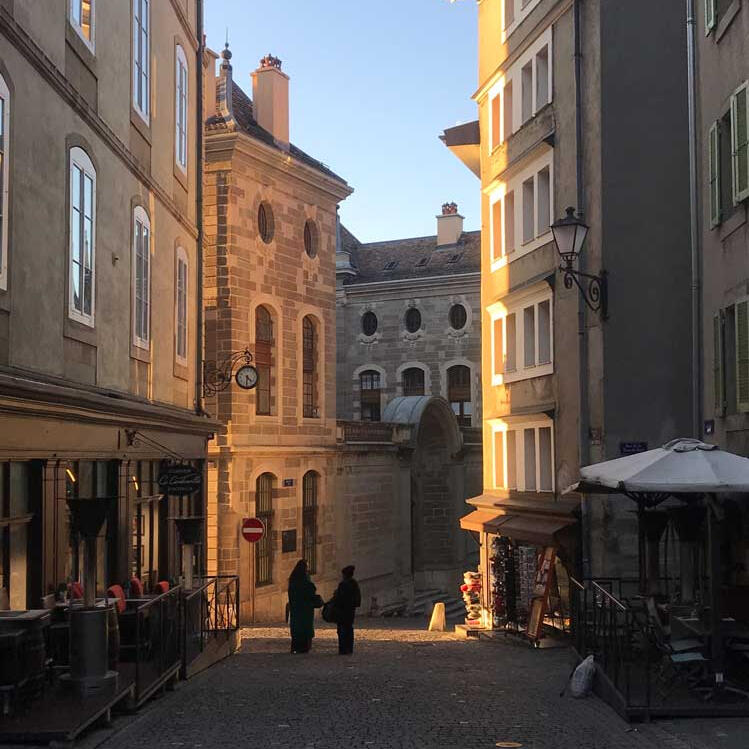
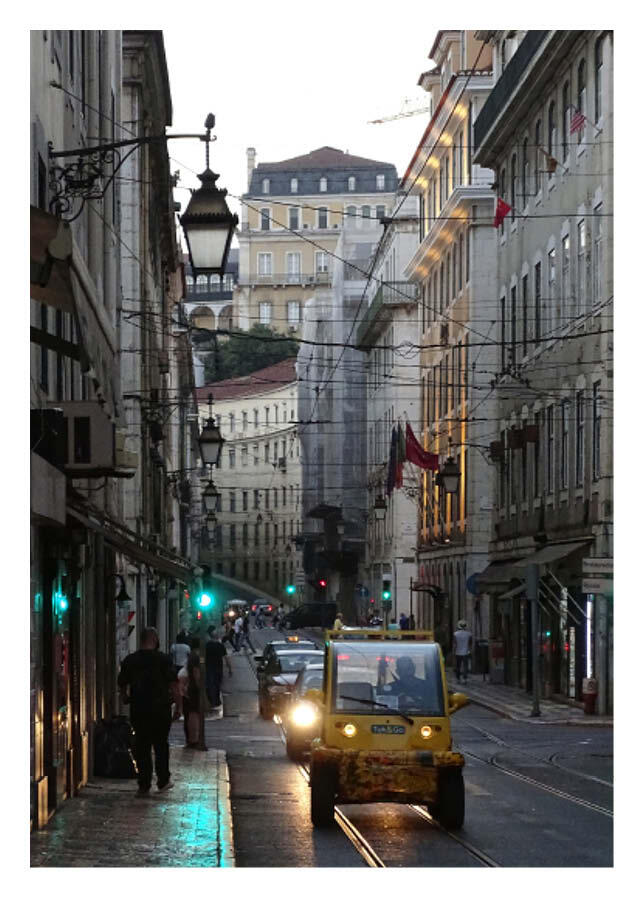
Sunset streets, Geneva - friends pause for an impromptu conversation in the winter light, reflecting the slower social pace and rhythms of the Old Town.

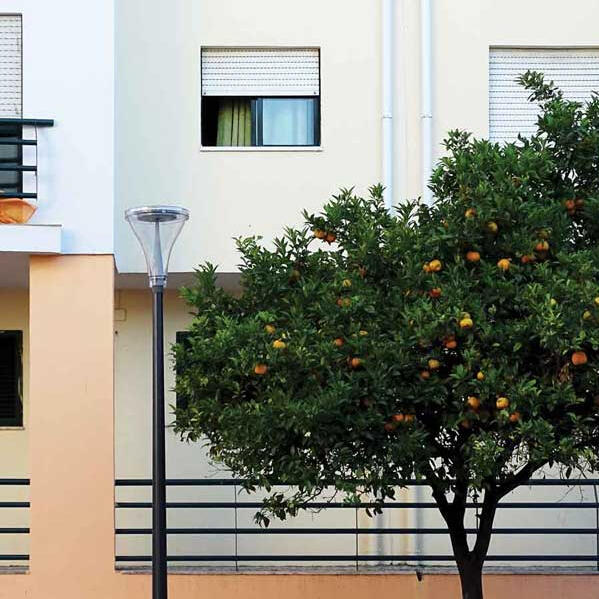
Urban orchard, Lisbon - the Muita Fruita initiative connects developers and public innovation to create city-centre growing spaces for fruit and vegetables.

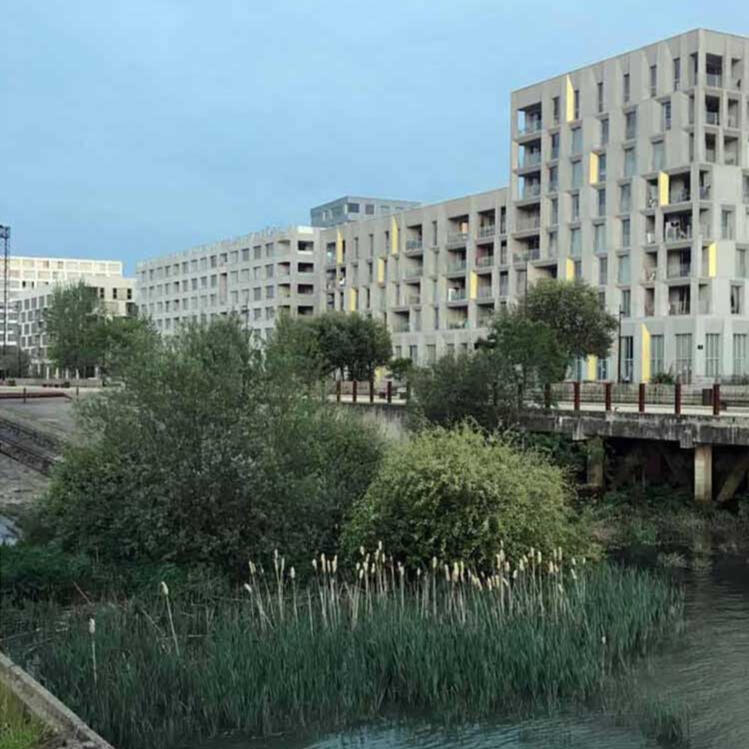
Urban regeneration, Nantes - design-led development on the Île de Nantes integrates housing, nature and sustainable living into a cohesive urban environment.

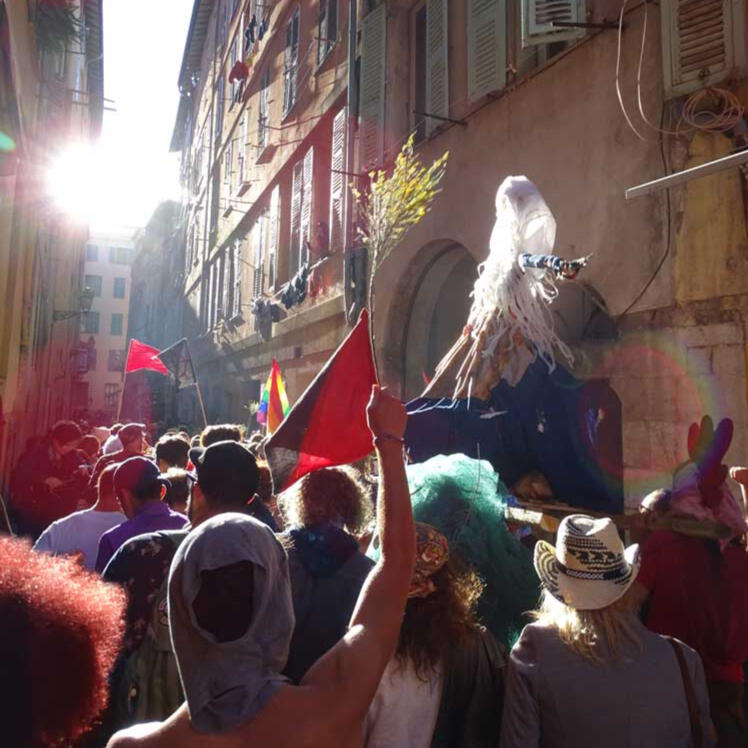
Public celebration, Nice - May Day festivities bring shared rituals into the streets, reinforcing collective cultural traditions.

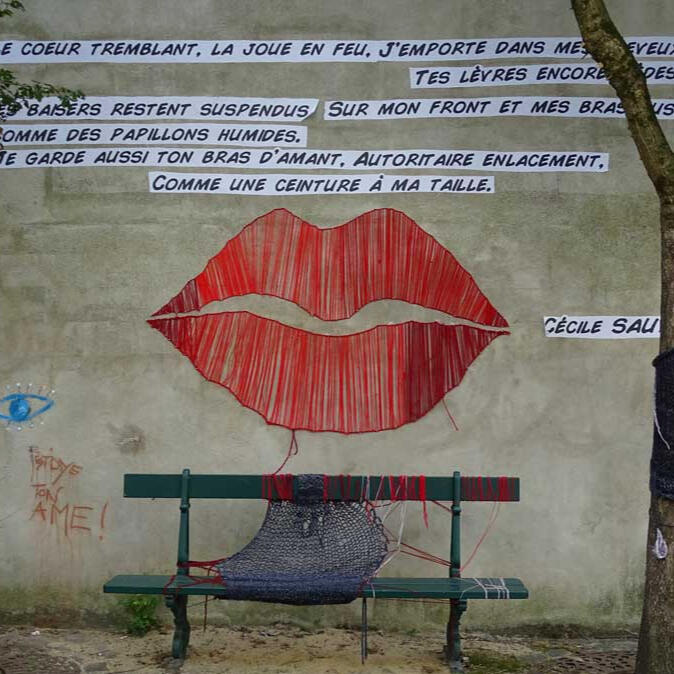
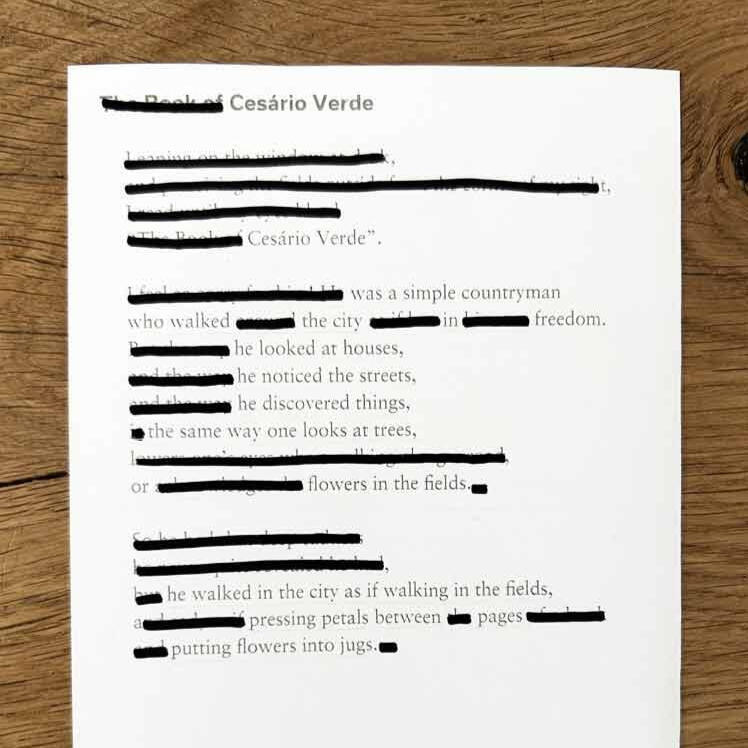
Street art, Auray, France - a poem by Cécile Sauvage transforms this side street into a space for literary expression and quiet reflection.

Community kitchen, Lisbon - the interior of Cozinha Popular is shaped by its neighbourhood, offering a storyful shared space for food, care and local connection.

Cultural centre, Amsterdam - De Hallen repurposes industrial heritage into a mixed-use cultural space, combining food, design and public life.

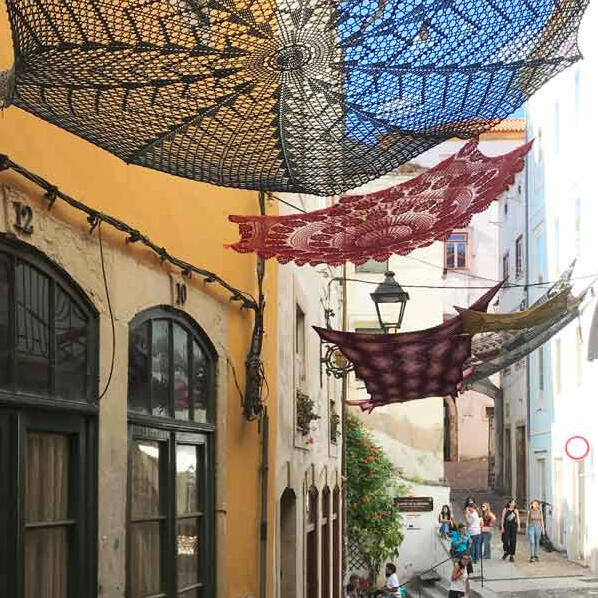
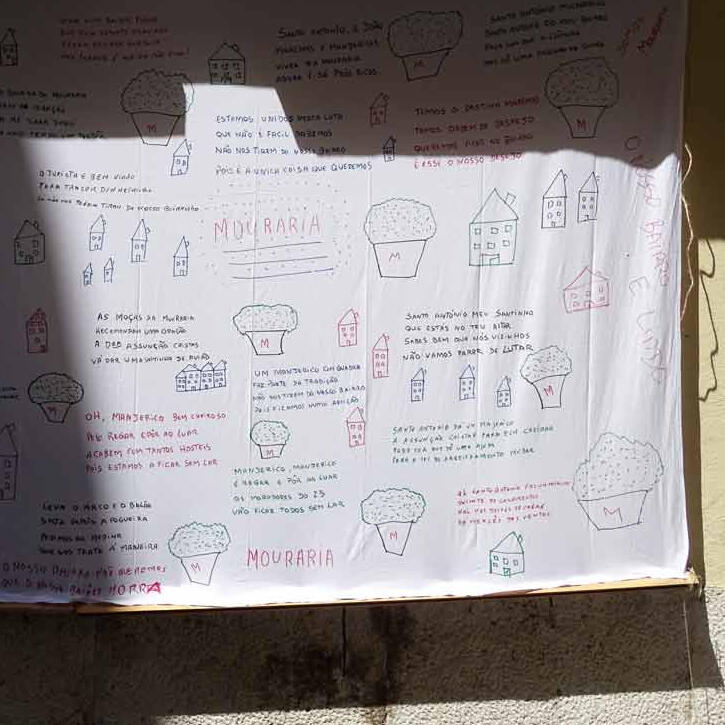
Public art, Coimbra - community-made crochet installations draw on heritage craft to create shade and social presence in the city’s streets.

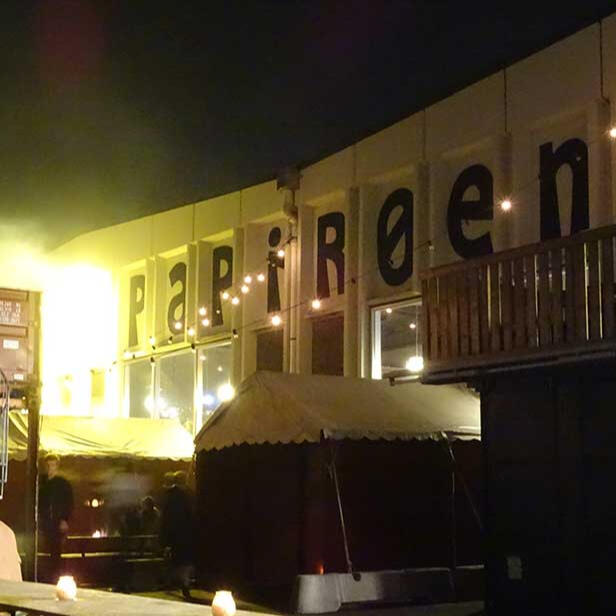
Street food market, Copenhagen - Copenhagen Street Food brought together diverse cuisines within a repurposed industrial site, supporting informal food economies.

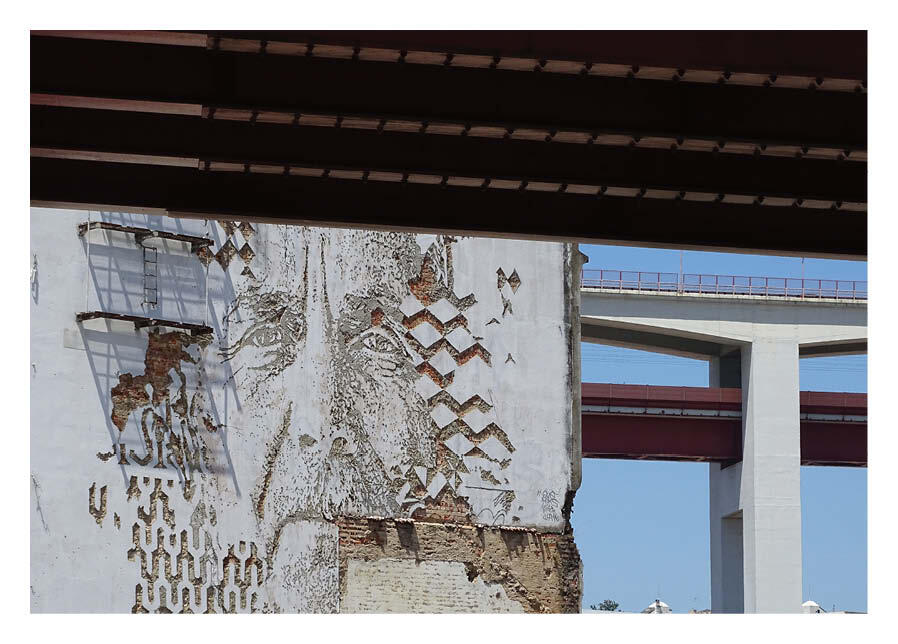
Street art, Lisbon - artist Vhils carves into building facades to reveal layered histories embedded within the city’s fabric.

People-watching, Copenhagen - the steady flow of pedestrians along Strøget, observed from the calm interior of Hay House, reflects the city’s walkable public life.

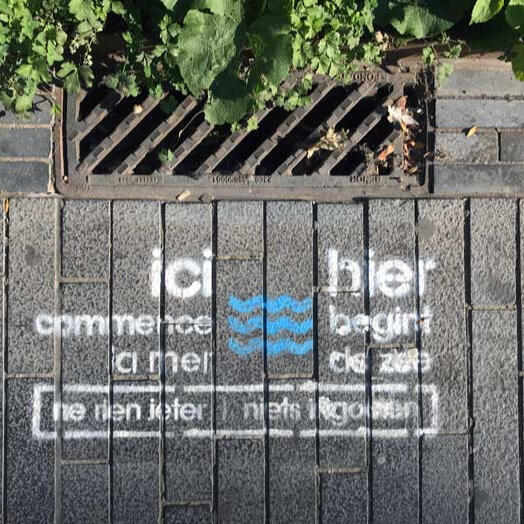
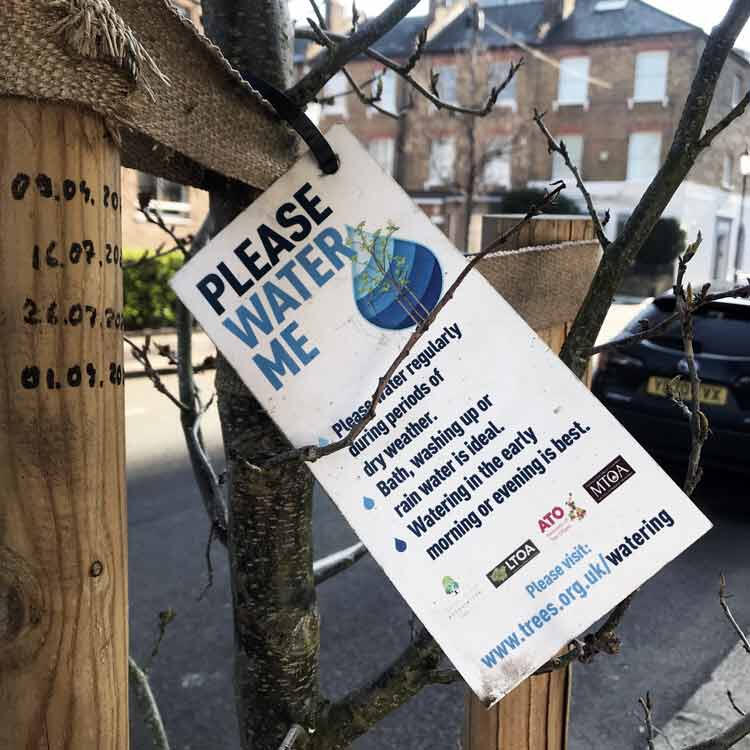
City signage, Brussels - behavioural design in public space encourages residents to rethink littering, reminding them that 'the sea starts here'.

Vintage car, near Burgos, Spain - a preserved VW Variant connects past and present in the everyday landscape.

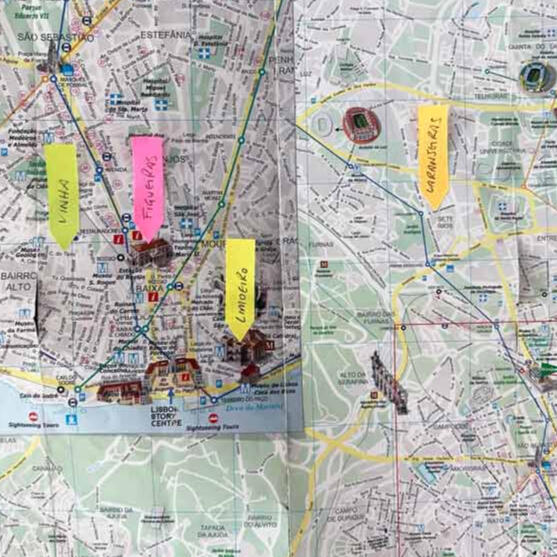
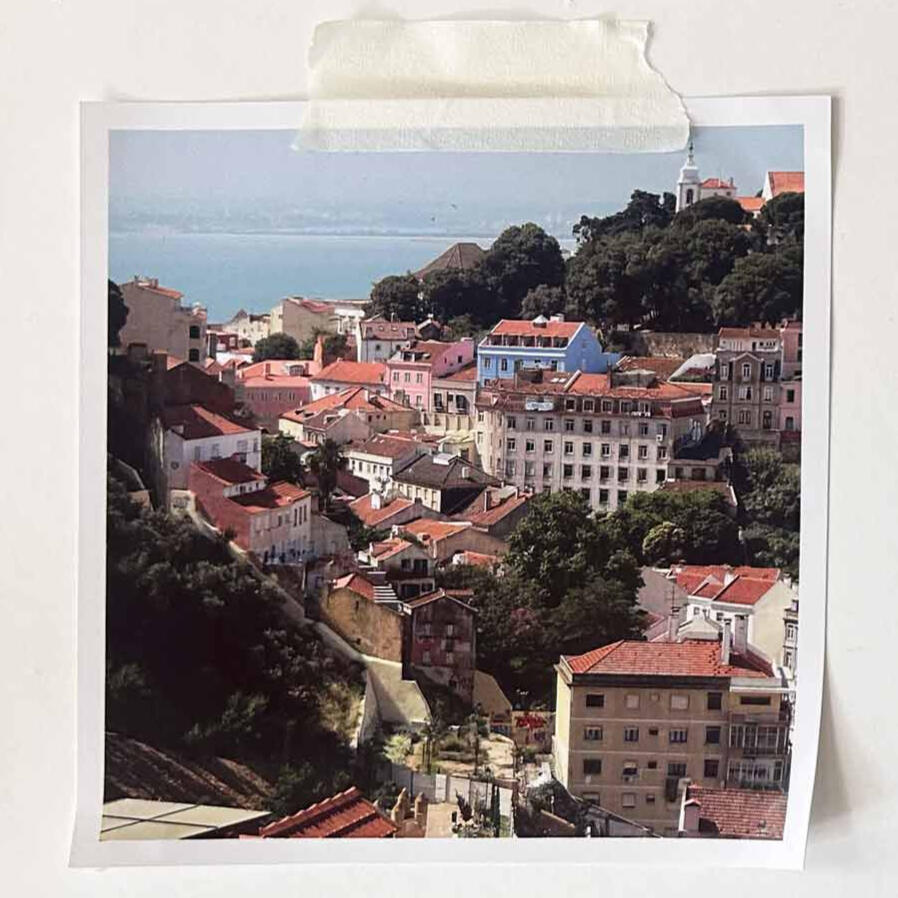
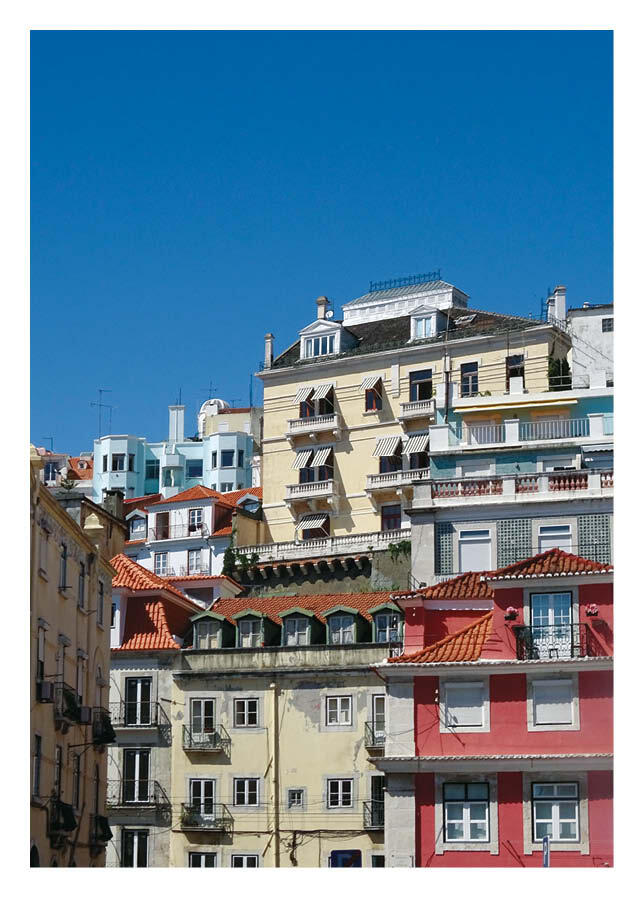
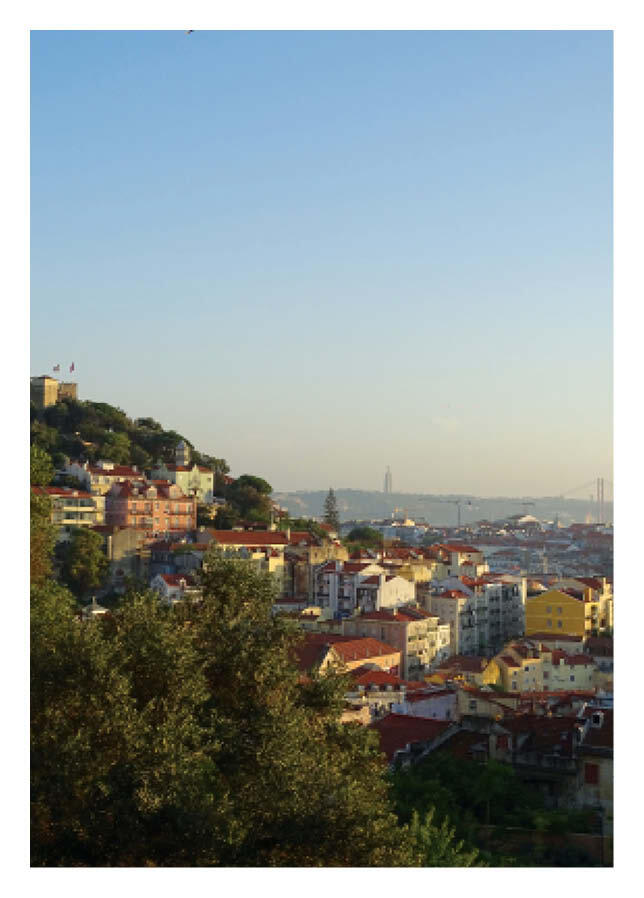
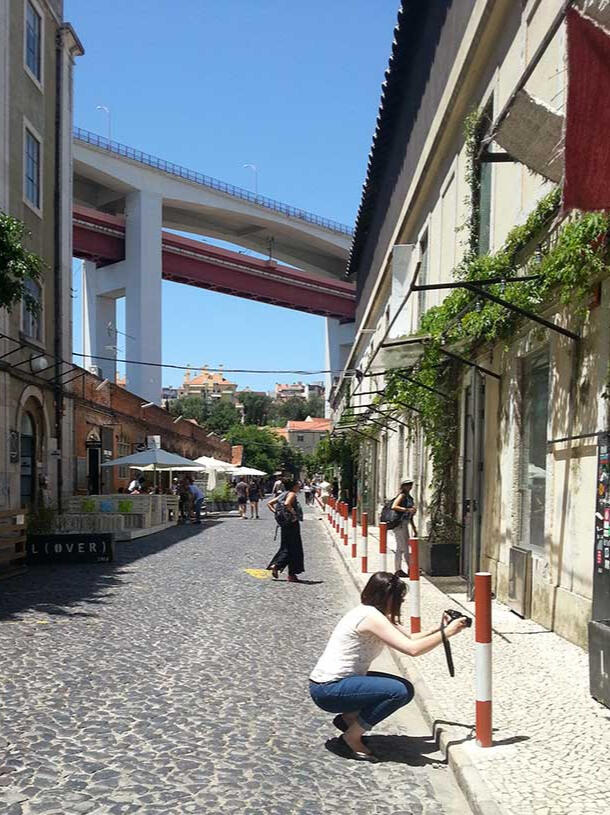
City view, Lisbon - the view from Miradouro da Graça reveals the layered topography and historic fabric of the city.
© 2026 A Civic Sketchbook. All rights reserved.


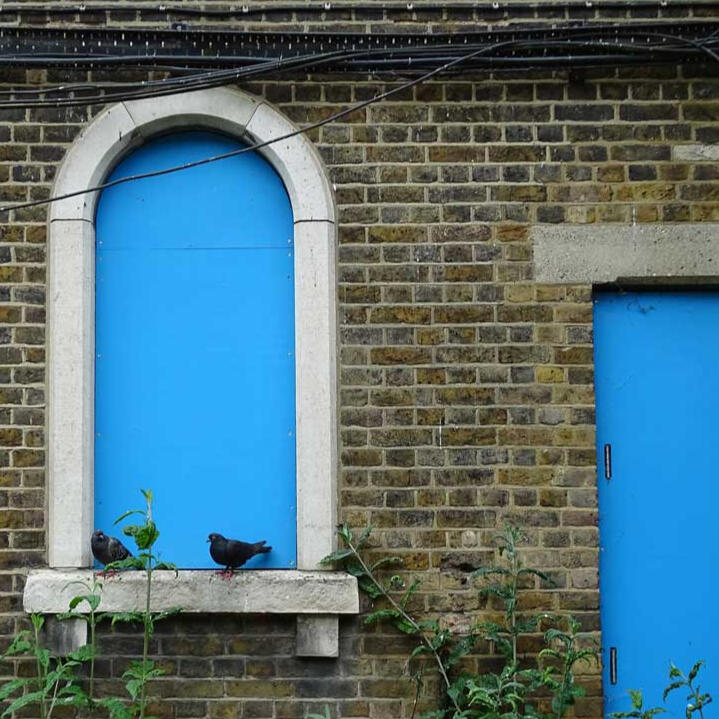
I use photography to document the experience of living in a place, focusing on details that sustain and uplift everyday life - street art, creative initiatives, unexpected views, colours and patterns, continuity from past to present, and nature and wildlife making their presence known.These moments offer a grounded lens on contemporary life, culture and travel.
© 2026 A Civic Sketchbook. All rights reserved.


I loosely illustrate the charm and quirks of a place - from architectural details to objects, food, and feathered and four-legged friends.Through drawing, I pay closer attention to relationships, nature, heritage and tradition, and highlight the warmth and character that everyday experiences can bring.
© 2026 A Civic Sketchbook. All rights reserved.

Writing is how I think through what I’ve seen and draw out why it matters.Informed by my background in design and sustainable development, I write short articles on creative initiatives that connect people, nature and disciplines - helping me strengthen the connections between environmental, social and economic wellbeing at the human scale.
© 2026 A Civic Sketchbook. All rights reserved.


I am a visual researcher and storyteller working across photography, illustration and writing, capturing how places express identity and evolve over time.My approach sits between visual ethnography and design storytelling, exploring how the character of a place is shaped through design and lived experience - knowledge, values, relationships and aspirations.This practice informs my systems-based work with organisations working on complex urban and social challenges.
Areas of exploration include:
Emerging ways of living and working led by local communities
Small-scale environmental and social initiatives shaping urban futures
Everyday touchpoints that reveal local character
Relationships between people, nature and the built environment
Food, skills, heritage and cultural practices expressing identity, continuity and change
© 2026 A Civic Sketchbook. All rights reserved.


A Civic Sketchbook is an ongoing visual research project exploring how everyday life in places is shaped on the ground - expressed through photography, illustration and writing.Selected works may be available as prints or publications, and I am open to collaborations, editorial features and projects that align with this way of seeing and documenting place.If you are working on something that explores the identity, atmosphere or evolution of a place, I’d love to hear from you. Email me or use the contact form, and I'll reply shortly.
© 2026 A Civic Sketchbook. All rights reserved.

I first encountered Totomoxtle in London at the 2019 Victoria & Albert Museum exhibition Food: Bigger than the Plate, where I was immediately struck by its rich colours and intricate patterns. Yet beneath its patchwork surface lay a more interconnected story than I could ever have imagined.Traditionally, the seeds of Mexican heirloom corn were carefully passed down family lines to protect livelihoods across generations. But when industrial agriculture firms introduced an influx of standard yellow corn to the market, the heirloom crops were soon priced out. Along with them went indigenous farming methods practiced for thousands of years, local livelihoods, and much of the region’s biodiversity.In the remote village of Tonahuixtla, the resulting poverty led to migration, leaving mainly women and children behind. With no means of making money, and no reason to retain the heirloom seeds, the links to local heritage, healthy ecosystems and economic prosperity were lost.When Fernando Laposse, a London-based Mexican designer, observed the urgent calls for help unanswered due to the perceived lack of financial profitability - he had an idea. Native Mexican corns are not just yellow; they range, from reds, browns and oranges to blues, purples and black. Tapping into their diversity could offer new hope to the town.Seed banks exist to preserve biodiversity for the future, storing jars of seeds from different species of plants in secure vaults to ensure food security in the face of climate change, natural disasters and disease. With the enthusiastic support of the world’s largest corn seed bank, the International Maize and Wheat Improvement Center, the seeds of six native species of Mexican corn were sourced and reintroduced to the local area.The colourful husks, normally discarded and burned, are now the basis for the new veneer material, Totomoxtle, used for luxury projects within the interior design industry.


Creating new and fulfilling employment for the women left behind, the husks are pressed and fixed to boards to create the veneer, before sending in flat pieces to Laposse’s London workshop for furniture marquetry and wall cladding.Not only are the material and business model inherently zero-waste, they present a sustainable luxury wood alternative that displaces demand for more exotic woods, reducing pressure on fragile ecosystems elsewhere.A circular, regenerative and distributive innovation, Totomoxtle revives hope and job security through the local, skills-based economy; restoring biodiversity and food security to the region; and offering valuable insights on global food security in a changing climate.This colourful corn patchwork connects craft, heritage, landscapes and livelihoods, and demonstrates how design, when aligned with ecological systems and cultural identity, seeds new life and resilience long-term.
All images: fernandolaposse.com/totomoxle
© 2026 A Civic Sketchbook. All rights reserved.

The battered brown door on a cobbled street gives nothing away, as we search Lisbon’s Rua das Olarias for a clue that we might be getting closer to that community kitchen we've heard so much about.Thankfully, on our third-or-so pass, the door is opened by a lady and her labrador to reveal long communal tables, mismatched chairs, an open kitchen, and a steady rhythm of people chatting, chopping and cooking.This is Cozinha Popolar - the ‘People’s Kitchen’, one of Lisbon’s most beloved social enterprises - created by photographer Adriana Freire to empower a neighbourhood that needed a little love and light.The city’s maze-like Mouraria district is the most historic and multi-ethnic neighbourhood in Lisbon, formed from the waves of Moorish immigrants who set up home on the hill outside the original city walls of the Castelo de São Jorge.These marginalised beginnings echoed through the centuries, so that Mouraria remains a place of relative poverty, but also enormous diversity and tradition - Portugal’s infamous Fado music originated here. But the rich culture and character is still somewhat stifled by a lack of mobility, lack of integration, and rising crime.Long-term resident Freire saw cooking as the ‘universal language’ that would connect all the different nations and backgrounds, and used it to create a community hub uniting all their skills and resources in the spirit of social enterprise.In training and working together to grow, harvest, prepare and cook food for the neighbourhood, the young, poor, unemployed, isolated, elderly, lonely. rehabilitated - anyone who needed some company - could become part of a community caring for each other and the environment.Fresh, seasonal meals are prepared in bulk to limit food waste, and served as a five course buffet - with the flavours often reflecting the origins of the chef of the night.Complemented by cookery classes, guest chef pop-ups, links with local schools and urban farming initiatives, the range of interconnected activities gives a central focus to the disparate community members, and infinite energy and reach to the project.

As a result, people come from far and wide to dine at Cozinha Popolar; with a low cost for locals, standard rates for the rest, and frequent group bookings making the project self-sustainable. The outcome is a system that distributes value - socially, economically and environmentally.


There are no pretensions in this place. No one person has ‘designed’ the disused upholstery workshop that Cozinha Popolar inhabits. Decorated with eclectic furniture and objects donated by locals, who gladly contributed a piece of themselves, Cozinha Popolar has become an extended family home that builds confidence and connection. It creates pathways into work and participation. And it strengthens a sense of belonging within a neighbourhood that has often been fragmented.For cities looking to foster cohesion and resilience, Cozinha Popolar demonstrates a powerful insight: infrastructure is not just physical - it’s social, too. Access to shared spaces that enable people to co-design, participate, swap skills and support each other are just as critical to a city’s ongoing health.As for us and our impromptu visit, the atmosphere and the food were truly unforgettable - and it turned out that the lady leaving with the labrador was Adriana Freire herself. The quiet powerhouse for positive change opened the door for community - and for these two wandering strangers - at exactly the right time.
All images: Carra Santos
© 2026 A Civic Sketchbook. All rights reserved.
In many cities, the ground floor of new residential developments is treated as a commercial opportunity - gyms, co-working spaces, retail units. Useful, but often exclusive.Chicago offers a different approach.Chicago’s inequality levels had reached boiling point, and were the cause of soaring crime and tensions - far from the mark of a progressive city.During his final term as mayor, Rahm Emanuel led an initiative responding to this growing inequality. His aim was not only to provide housing, but to show how a healthy neighbourhood offers an ecosystem of services that enables communities to thrive.Libraries play a unique role in this ecosystem. They offer free access to knowledge, technology and space - resources that are often unevenly distributed elsewhere. Where else can people read, learn, access technology, explore new worlds and teach their children among diverse friends and neighbours - for free?By embedding them directly within residential communities, the city creates shared environments where different groups can interact, learn and participate.They can secure pathways to more equitable and resilient communities, through beautiful design, normalising and winning stakeholder support for more public facilities/affordable housing developments; accessible neighbourhood hubs, building community cohesion and a supportive, sharing culture that preserves resource; and free education and access to digital networks, breaking down barriers to integration, self-esteem and opportunity.Emanuel chose co-location and design as the library project tools, promoting “striking new civic architecture as an advertisement for the city and a source of community pride”.He left the city with three powerful examples of urban developments to inspire the future - Taylor Street Apartments, Northtown Library, and Independence Library - normalising the presence of civic space within everyday life.

Independence Library and Apartments.
Image: John Ronan Architects

Northtown Library and Apartments.
Image: Perkins & Will

Taylor Street Apartments and Little Italy Branch Library.
Image: SOM/Tom Harris
“These are integrated works of bespoke architecture, their exceptional design central to their social and civic agenda.” - Michael Kimmelman, NY Times
At a time when many countries - including the UK - have seen a decline in public libraries, Chicago’s model offers a compelling alternative.It asks not whether cities can afford to invest in shared infrastructure, but whether they can afford not to.For planners, developers and city leaders, the lesson is clear: when civic functions are embedded into the fabric of development - not separated from it - they create more equitable, connected and resilient urban environments.Projects such as the Taylor Street Apartments, Northtown Library, and Independence Library demonstrate how this model can operate at scale - and how libraries can become living legacies loved by everyone, fuelling the civic pride that sits at the heart of a thriving place.
© 2026 A Civic Sketchbook. All rights reserved.